
The water situation is suffering in the south of Hsinchu
02 March 2021 ❤ 5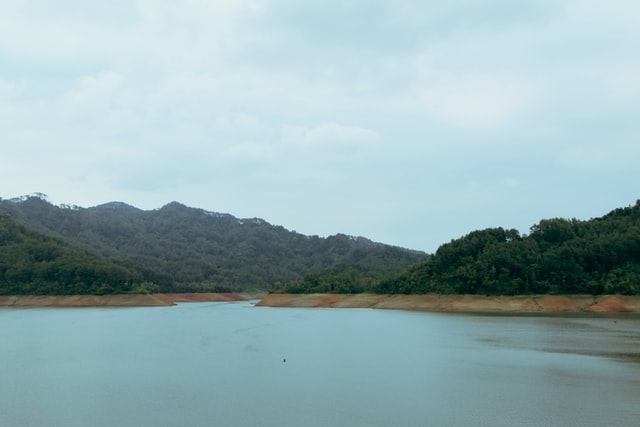
The water situation on February 25 in the south of Hsinchu in Chiayi and Tainan is suffering and in need of help. There was an orange light signal suggesting that the water condition was reducing in terms of supply. By the 2nd of March at 8 am there were 7 significant reservoirs in the south of Hsinchu that had lost a very significant amount of water, and their water storage rate was slowly approaching 10%. Hsinchu has many technology factories which use water trucks to ensure that the production capacity is met. But according to the ever-approaching season of spring the level of rainfall is falling and this is affecting the water levels.Â
As of 8 am on the 2nd of March the Hsinchu Baoer Reservoir’s water storage was at 12.9%, and the Miaoli Yongheshan Reservoir was at 12.8%, Liyutan Reservoir at 15.8%, Miaoli Mingde Reservoir at 11.0% and so on and so forth. The reservoirs (Hsinchu, Miaoli, and Taichung) provide water for the people living in that area, for agriculture and for industrial use.Â
All but the 7 main reservoirs lost water, their water storage has fallen under the 10% mark, which is very drastic, the main reservoirs in the Jia, Nan, Zhang, Tou and Yun areas. The reservoirs that were hit were, Hushan Reservoir, Renyitan Reservoir, Sun Moon Lake Reservoir, Nanhua Reservoir, and Wushantou Reservoir are some of the troubling reservoirs.Â
According to information from the Spring Climate Outlook that was sourced from the Central Meteorological Bureau on the 23rd of February, the temperature for the coming season is expected to be normal or close to normal. Regarding the rainfall, the spring rain is estimated to be lacking and will be lower than normal and will only sometimes be normal. The water situation will take time to improve short term, so the people will need to save water.Â
By I. Bey
 2月25日,嘉义和å°å—新竹以å—的水资æºçŠ¶å†µæ£åœ¨éå—苦难,需è¦å¸®åŠ©ã€‚有一个橙色的ç¯å…‰ä¿¡å·è¡¨æ˜Žä¾›æ°´æ–¹é¢çš„æ°´è´¨æ£åœ¨ä¸‹é™ã€‚到3月2日上åˆ8点,新竹å—部有7个é‡è¦çš„水库失水了很多,其储水率é€æ¸æŽ¥è¿‘10%。新竹市有许多技术工厂,这些工厂使用水车æ¥ç¡®ä¿æ»¡è¶³ç”Ÿäº§èƒ½åŠ›ã€‚ä½†æ˜¯æ ¹æ®æ˜¥å£ä¸æ–接近的å£èŠ‚,é™é›¨æ°´å¹³æ£åœ¨ä¸‹é™ï¼Œè¿™æ£åœ¨å½±å“æ°´ä½ã€‚ 截至3月2日上åˆ8点,新竹å®å„¿æ°´åº“的储水é‡ä¸º12.9ï¼…ï¼Œè‹—æ —æ°¸å’Œå±±æ°´åº“çš„å‚¨æ°´é‡ä¸º12.8%,鲤鱼æ½æ°´åº“的储水é‡ä¸º15.8ï¼…ï¼Œè‹—æ —æ˜Žå¾·æ°´åº“çš„å‚¨æ°´é‡ä¸º11.0%,ä¾æ¤ç±»æŽ¨ã€‚è¿™äº›æ°´åº“ï¼ˆæ–°ç«¹ï¼Œè‹—æ —å’Œå°ä¸ï¼‰ä¸ºè¯¥åœ°åŒºçš„居民,农业和工业用水æ供水。 除7个主è¦æ°´åº“外,其他所有水库å‡å¤±æ°´ï¼Œå…¶å‚¨æ°´é‡å·²é™è‡³10%以下,这是éžå¸¸ä¸¥é‡çš„,主è¦æ°´åº“ä½äºŽè´¾ï¼Œå—ï¼Œå¼ ï¼Œå¤´å’Œäº‘åœ°åŒºã€‚å—到冲击的水库包括虎山水库,任一滩水库,日月æ½æ°´åº“,å—åŽæ°´åº“和巫山头水库。 æ ¹æ®2月23日从ä¸å¤®æ°”象局获得的《春å£æ°”候展望》的信æ¯ï¼Œé¢„计下一å£èŠ‚的温度将是æ£å¸¸çš„或接近æ£å¸¸çš„。关于é™é›¨ï¼Œä¼°è®¡æ˜¥å£é™é›¨ä¸è¶³ï¼Œæ˜¥å£é™é›¨å°†ä½ŽäºŽæ£å¸¸æ°´å¹³ï¼Œæœ‰æ—¶ä»…是æ£å¸¸æ°´å¹³ã€‚çŸæœŸç”¨æ°´çŠ¶å†µå°†éœ€è¦æ—¶é—´æ¥æ”¹å–„ï¼Œå› æ¤äººä»¬å°†éœ€è¦èŠ‚水。 ç”±I.Bey


.jpg&width=200&height=200)

History of China  Â
What were the major dynasties that ruled China throughout its history and how did they shape the countrys culture, economy, and political landscape?
By Wyatt Rodriguez, 03 Dec 24